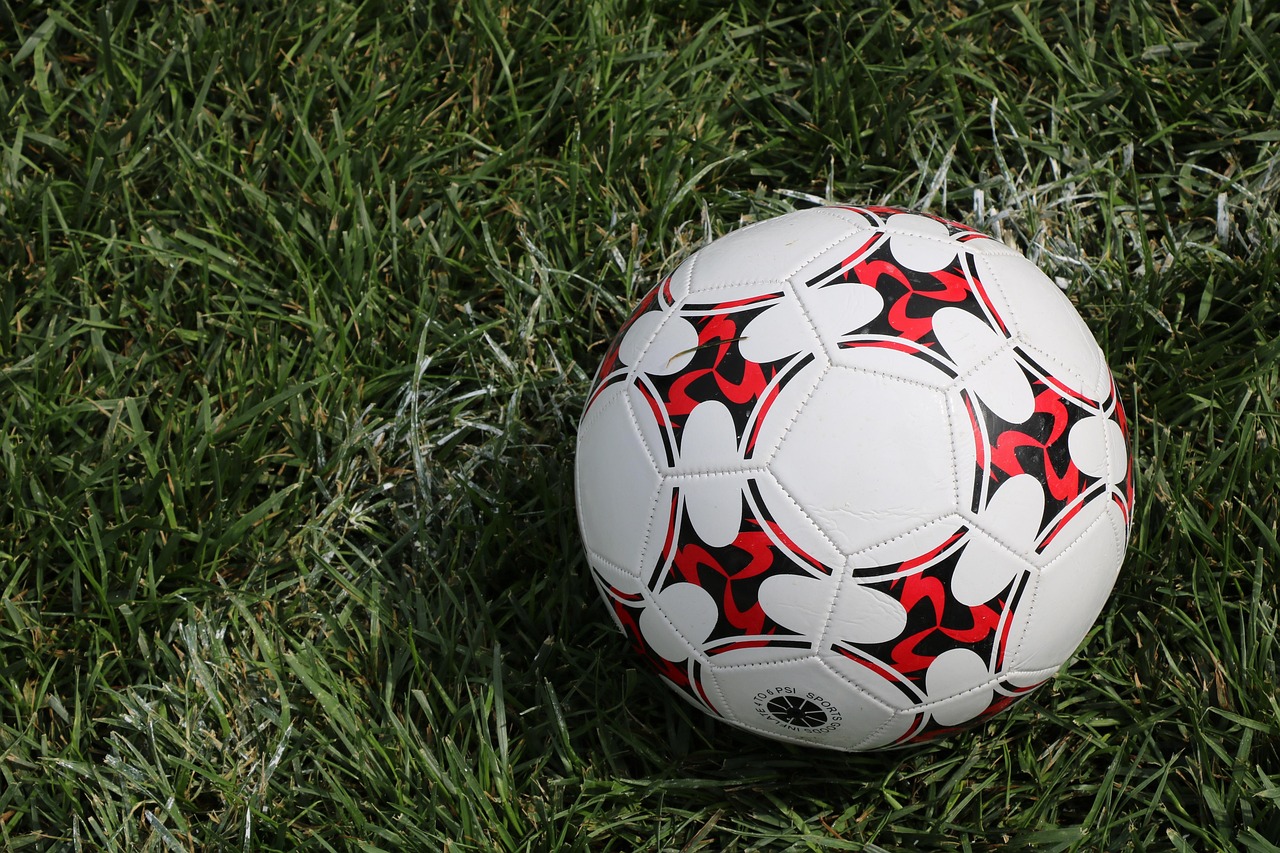
Sports turf maintenance is crucial for ensuring top-quality playing surfaces that support athletic performance and promote safety. For schools, clubs, and facilities managing outdoor sports fields, implementing a strategic seasonal maintenance plan is essential to preserve the integrity of the turf and extend its lifespan. This article delves into the key priorities for seasonal sports turf maintenance, providing valuable insights tailored to meet the unique needs of these organizations.
Understanding Seasonal Changes and Their Impact on Turf
Variability in Weather Patterns
One of the primary factors influencing sports turf maintenance is the changing weather throughout the seasons. From extreme heatwaves to heavy rainstorms, varying climates demand dynamic care strategies. For instance:
- Spring: Cooler temperatures and frequent rainfall encourage rapid grass growth, necessitating regular mowing, fertilizing, and watering to support healthy development.
- Summer: High temperatures and dry spells require deep irrigation and targeted drought management techniques to prevent stress and maintain moisture levels.
- Fall: As temperatures drop, aeration becomes crucial to alleviate compacted soil, while applying winterizer fertilizers prepares the turf for dormancy.
- Winter: Snowfall and freezing temperatures call for deicing methods and snow removal to protect the field from damage.
Environmental Considerations
Environmental factors also play a significant role in sports turf maintenance:
- Soil Type: Different soil compositions require distinct management approaches. Sandy soils, for example, drain quickly, necessitating more frequent watering, while clay soils may benefit from added organic matter to improve drainage.
- Slope and Drainage: Fields with inclines are more prone to erosion, requiring specific maintenance techniques like seed selection and mulching to stabilize the soil. Efficient drainage systems prevent waterlogging, reducing the risk of disease and pest infestation.
Essential Seasonal Sports Turf Maintenance Priorities
1. Spring: Laying the Foundation for a Healthy Season
Revitalizing After Winter Dormancy
- Aeration: In spring, aerate fields to remove soil compaction caused by winter use. This promotes better air, water, and nutrient penetration, enhancing grass growth.
- Overseeding: Overseed dormant areas with cool-season grasses like fescue or rye to improve turf density and color. Ensure proper germination and establishment before summer heat sets in.
- Fertilization: Apply a balanced fertilizer to provide essential nutrients for robust growth. Spring is an ideal time to fertilize, as it stimulates new shoot development.
Summer Preparation:
- Mowing: Adjust mowing heights accordingly as grass grows taller. Maintain sharp mower blades to minimize damage and encourage thicker turf.
- Irrigation: Implement a regular watering schedule to keep the turf hydrated. Deep irrigation once a week is generally recommended, ensuring root development and minimizing water waste.
2. Summer: Drought Management and Field Protection
Overcoming Dry Conditions:
- Watering Strategies: During dry periods, use drip or soaker hoses for efficient watering, focusing on deep penetration to encourage deeper root growth. Avoid frequent, shallow irrigations.
- Drought-Tolerant Grasses: Consider overseeding with drought-resistant grass varieties like Bermuda grass or zoysia to improve turf resilience and reduce water needs.
- Mulching: Apply organic mulch around the field's perimeter to conserve moisture, suppress weeds, and regulate soil temperature.
Protecting Fields from Damage:
- Regular Inspection: Conduct routine inspections to identify and address potential issues like insect infestations or disease outbreaks promptly.
- Pest Control: Implement integrated pest management (IPM) strategies to minimize the use of chemicals. Encourage natural predators, remove infested areas, and consider biological controls.
- Heat Stress Relief: Provide shade structures where possible, especially for intense training sessions or competitions during hot summers.
3. Fall: Maintaining Turf Health During Transition
Preparing for Winter:
- Aeration: Fall aeration is crucial to reduce compacted soil and improve oxygen availability as the turf prepares for dormancy.
- Fertilization: Apply a winterizer fertilizer in late fall, typically containing higher nitrogen levels, to encourage healthy stem development and promote early spring greenup.
- Overseeding (if necessary): In regions with mild winters, overseed again with cool-season grasses to maintain turf density and color throughout the season.
General Maintenance:
- Mowing: Reduce mowing heights as grass growth slows, allowing for a deeper root system. Avoid excessive nitrogen applications in late fall to prevent excessive growth that could lead to winter damage.
- Debris Removal: Regularly remove fallen leaves and debris from fields to minimize disease pressure and maintain air circulation.
4. Winter: Protecting Fields and Ensuring Safe Play
Snow and Ice Management:
- Deicing: Use environmentally friendly deicers to melt ice safely on sports fields. Avoid excessive use, as it can damage turf and soil if not applied correctly.
- Snow Removal: Efficiently clear snow from fields using brooms, shovels, or specialized equipment to prevent surface damage and improve safety.
General Winter Maintenance:
- Cover Crops: Consider planting cover crops during the off-season to protect the soil, suppress weeds, and improve its structure and fertility.
- Perimeter Maintenance: Keep the field's edges well-maintained, including trimming hedges and mowing borders, ensuring a neat appearance and preventing potential trip hazards.
- Regular Inspections: Conduct winter inspections to identify any issues like heave or animal damage, addressing them promptly to minimize impact on spring preparation.
Best Practices for Effective Sports Turf Maintenance
Regular Monitoring and Documentation:
- Implement a field monitoring program to track turf health, moisture levels, and environmental conditions. Use this data to inform maintenance decisions and optimize strategies over time.
- Document maintenance activities, including dates, methods, and products used, to establish a history of care for each field.
Preventive Care:
- Focus on preventive measures rather than reactive solutions. Regular care practices like proper mowing, watering, fertilizing, and aeration help maintain turf health and reduce the risk of issues.
- Stay informed about new technologies and techniques in sports turf management to incorporate innovative solutions into your maintenance plan.
Collaboration and Education:
- Foster collaboration between school staff, groundskeepers, coaches, and parents to ensure consistent care. Educate stakeholders on the importance of proper field use and maintenance practices.
- Organize training sessions or workshops to enhance knowledge about turf science, pest management, and sustainable maintenance practices.
FAQ: Addressing Common Concerns in Sports Turf Maintenance
Q: How often should I aerate my sports field?
A: The frequency of aeration depends on factors like soil type, use intensity, and climate. As a general guideline, aerate fields once or twice annually during the growing season (spring and fall). High-traffic areas may require more frequent aeration.
Q: What is the best way to manage pest infestations?
A: Integrated Pest Management (IPM) is recommended. This approach involves monitoring, cultural controls (e.g., proper sanitation), biological controls (introducing predators), and minimal chemical applications as a last resort. Regular inspections are crucial for early detection.
Q: How can I improve water efficiency in sports turf maintenance?
A: Implement drip irrigation systems for targeted watering, ensuring deep penetration to encourage deeper root growth. Use weather data to inform watering schedules, and consider installing smart irrigation controllers that adjust based on real-time environmental conditions.
Q: What are the benefits of using cover crops in winter?
A: Cover crops protect the soil from erosion, improve its structure, and suppress weeds during the off-season. They also add organic matter to the soil, enhancing fertility and promoting healthier turf growth in spring.
Conclusion
Seasonal sports turf maintenance is a critical aspect of ensuring optimal field conditions for schools, clubs, and facilities. By understanding the impact of seasonal changes and implementing tailored care strategies, organizations can preserve the integrity of their playing surfaces, promote athlete safety, and provide exceptional experiences for participants. With proactive planning, collaboration, and adherence to best practices, sports fields can thrive throughout all seasons, contributing to a thriving athletic community.